Blog ·
Preparing for Your Wedding Videography Session: What Every Couple Should Know
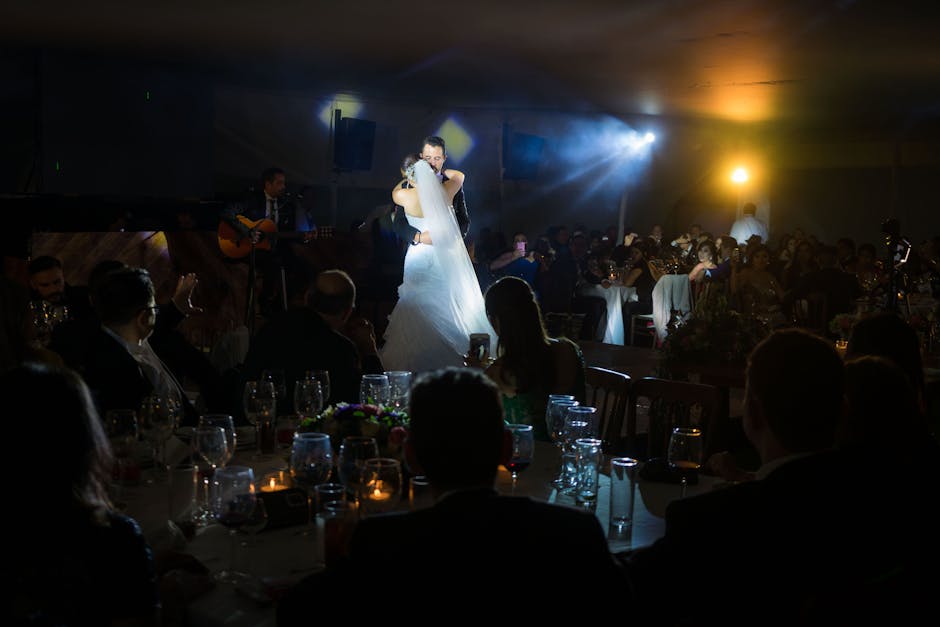
Hiring a professional videographer is an investment in preserving your wedding day, and preparing thoughtfully ensures your videographer can capture the best possible film. Whether this is your first time working with a videographer or you've done media work before, understanding what to expect and how to prepare makes a significant difference in the final product.
Scheduling and Timeline Coordination
Start by sharing your complete timeline with your videographer well in advance. Include all planned events—hair and makeup, first look, ceremony start time, receiving line, reception timeline, special dances, speeches, and any other moments you want documented. This allows your videographer to plan coverage strategically and position themselves to capture key moments without disrupting your day.
Be realistic about timing. Ceremonies often run longer than scheduled, and candid moments during reception events may be more valuable than sticking rigidly to estimated times. A good videographer plans for flexibility while ensuring critical moments are covered.
Communicating Your Vision
Discuss the overall feel and style you want for your film. Do you prefer a documentary-style approach that emphasizes authenticity, or a more stylized cinematic treatment? How important are special effects or drone footage? What about music preferences? These conversations help your videographer understand your aesthetic and create a film that matches your expectations.
Share any must-have moments—specific rituals, your first dance song, family dynamics that matter to you, or behind-the-scenes details you want captured. These details help your videographer understand what's most important for your story.
Logistical Considerations
Discuss venue limitations with both your venue coordinator and your videographer. Some venues have restrictions on camera positioning, audio access, or movement during ceremonies. Understanding these limitations ahead of time allows your videographer to plan alternative angles or approaches.
Confirm audio sources if you want ceremony audio in your film. Your venue may have audio outputs, or a microphone near your officiant may be necessary. Ask your videographer what they need and coordinate with your venue to provide it.
Creating Comfortable Filming Conditions
Brief your wedding party and key family members that a videographer will be present. Most people naturally adjust to cameras quickly, but a heads-up prevents startled reactions. Ensure adequate lighting is available in all venues where filming occurs—outdoor ceremonies require different considerations than indoor receptions.
Trust your videographer's expertise. They understand how to capture moments without being intrusive. The more naturally you and your guests engage with your celebration, the better your final film will be.